manhwa scans have become a global phenomenon, reshaping how fans access and enjoy Korean comics. These scanned versions, often uploaded by dedicated scanlation groups, have opened doors for international audiences eager to experience the rich storytelling and diverse genres that manhwa offers. Their rise symbolizes not just a shift in reading habits, but also a cultural movement that crosses borders and unifies communities through shared passion.
In this article, we'll delve into the world of manhwa scans—from their historical roots to their current impact—and analyze how they influence the industry, communities, and the future of manhwa itself.
The Rise of Manhwa Scans: A Cultural Phenomenon
The proliferation of manhwa scans is a testament to the global appetite for Korean comics that wasn’t fully satisfied by official channels. As access to Korean language media was originally limited outside South Korea, fans took matters into their own hands, crowdsourcing translations and sharing scanned copies online. This grassroots movement rapidly grew into an expansive ecosystem that has significantly contributed to the international popularity of manhwa.
Today, manhwa scans have transcended their initial grassroots appeal by becoming a cultural phenomenon. They serve as bridges for communication among diverse communities, allowing stories to reach global audiences—even before official translations are available. This phenomenon also raises questions about cultural exchange and adaptation, as fans bring their own perspectives into the translation and interpretation of these works. The dynamic nature of manhwa scans fuels both the growth of fandom and the ongoing debate about respect for copyrights, creating a complex landscape that intertwines passion with legality.
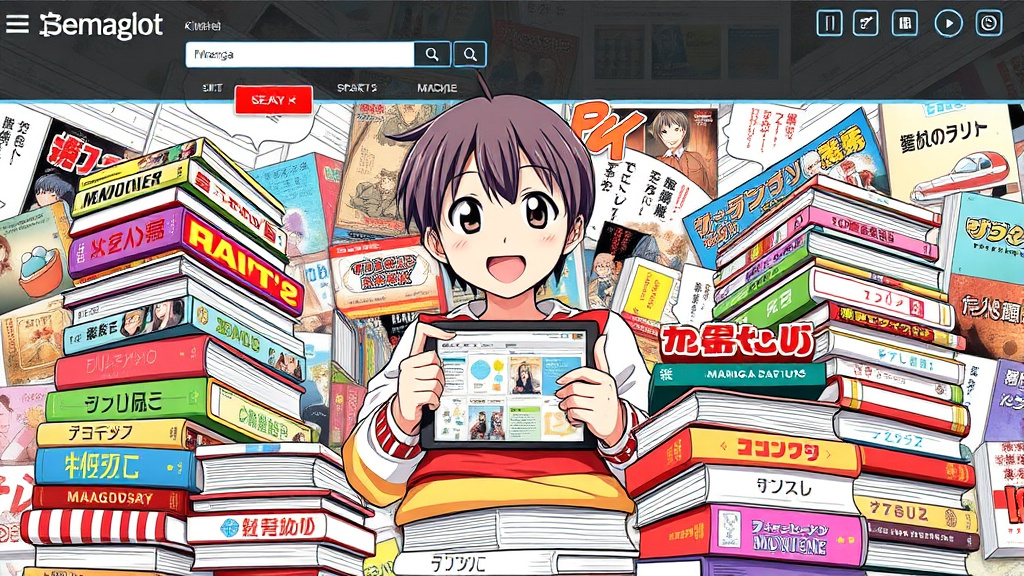 Hình minh họa: plus sized misadventures in love manga – manhwa scans
Understanding the Manhwa Scanlation Scene: History and Evolution
The history of manhwa scanlation begins in the early 2000s when fans of Korean comics sought to share their enthusiasm in online forums and dedicated websites. Initially cluttered with amateur translations and photo scans, the scene was relatively disorganized but fueled by genuine passion. As internet technologies advanced, scanlation groups standardized their processes, adopting typesetting, editing, and quality control, which allowed for more professional and faster releases.
Over time, the scene evolved into a competitive and collaborative space where groups often specialized by genre or target audience. The advent of social media, Discord communities, and dedicated scanlation websites further accelerated growth, enabling quicker localization and wider dissemination. Today, the evolution continues with the integration of AI translation tools and the rise of paid groups, reflecting both technological innovation and economic shifts. This history underscores how collaborative efforts have transformed an underground hobby into a grassroots global movement with cultural implications far beyond simple fan translations.
Legality and Ethics of Manhwa Scans: A Complex Landscape
The legality of manhwa scans sits in a murky realm where passion conflicts with copyright laws. Many scanlation groups operate in a gray area since they distribute copyrighted material without official permission. While motivated by admiration for the creators and a desire to share stories with a wider audience, this practice raises significant ethical issues concerning intellectual property rights and creators’ compensations.
Despite the ethical debates, many fans justify scans for their role in promoting manhwa globally, especially in regions lacking access to official translations. Yet, this demand has also prompted publishers and rights holders to intensify their legal actions, leading to takedown notices and crackdowns. Navigating this complex landscape requires balancing respect for creators’ rights with the desire to foster cultural exchange. As the industry adapts with official translation efforts and digital distribution models, the role of scans remains contentious—highlighting the need for a sustainable, mutually respectful approach for fans and legal stakeholders alike.
The Impact of Scans on the Official Manhwa Industry
The widespread availability of manhwa scans has undeniably impacted the official industry, both positively and negatively. On one hand, scans have acted as a promotional tool, introducing new audiences to the medium and generating buzz that can translate into sales when official releases become available. On the other hand, they have also posed significant challenges for publishers, who often struggle to monetize their content when a large segment of potential readers rely on free, illegal scans.
Interestingly, many publishers are adapting by accelerating official releases, providing official translations concurrent with or shortly after scanlations, and exploring digital-first strategies. Some creators even acknowledge that scans have helped broaden their fanbase and reignited interest in traditionally niche genres. While the industry faces ongoing struggles with piracy, it also recognizes scans’ potential role in expanding global accessibility, emphasizing the need for respectful, legally compliant distribution methods that benefit creators, publishers, and fans alike.
Popular Platforms and Communities for Manhwa Scan Readers
The growth of manhwa scans owes much to the rise of dedicated online platforms where fans congregate, discuss, and share their favorite titles. Websites like MangaDex, Webtoon, and Tapas provide access to many scanlated titles, often supplemented by active forum communities where enthusiasts debate theories, recommend new series, and offer feedback to scanlation groups. These platforms have helped normalize the consumption of manhwa as part of broader digital comic culture.
Beyond platforms, social media sites such as Reddit, Discord, and Twitter have created vibrant communities that connect readers worldwide. These communities often serve as launchpads for new releases, translating fan comments, or even organizing group scans and translations. Their role in fostering a sense of belonging and creating a shared cultural experience cannot be overstated, as they empower fans to participate actively in the growth and spread of manhwa, shaping an ecosystem where enthusiasm meets collective effort.
Scanlation Groups: Their Role and Contribution to Manhwa's Accessibility
Scanlation groups are pivotal players in the manhwa landscape, often operating out of passion and a shared love for the medium. Their work involves more than just translating dialogue; they invest significant time in typesetting, editing, and quality control for a seamless reading experience. Through their efforts, countless titles—some of which might otherwise remain inaccessible—become available to an international audience.
While their contributions are driven by enthusiasm, scandal and controversy have arisen regarding intellectual property rights. Nonetheless, scanlation groups often argue that their work acts as a promotional bridge, helping to grow fanbases before official channels can reach global markets. Their dedication not only democratizes access but also nurtures a diverse and engaged community of readers eager to explore backgrounds, themes, and stories that may not yet be officially localized. Acknowledging their role within this ecosystem is essential, as it highlights both the loyalty and the ongoing debate about legality and ethical practices.
The Future of Manhwa Scans: Trends and Predictions
Looking ahead, the future of manhwa scans appears to be a story of technological innovation and industry adaptation. Artificial intelligence-powered translation tools promise faster, more accurate scans, reducing the turnaround time between release and translation. Additionally, blockchain and other digital rights management solutions may one day help protect the interests of creators while allowing fans to access legally distributed content more conveniently.
Simultaneously, increased efforts by publishers to launch official platforms—such as Webtoons—indicate a shift toward legitimizing and monetizing digital access. These developments suggest that scans could gradually transition from a largely underground activity to a complementary part of a broader, legal distribution ecosystem. However, the passionate community surrounding scans will likely persist, influencing how the industry balances innovation, accessibility, and respect for creators' rights.
Manhwa Scans vs. Official Translations: A Comparative Analysis
The ongoing rivalry between manhwa scans and official translations reflects broader tensions between grassroots fandom and industry regulation. Official translations prioritize accuracy, high-quality editing, and respect for intellectual property, often supported by professional teams. Conversely, scans—arranged by fan groups—prioritize speed and accessibility, sometimes sacrificing polish for immediacy.
From a reader's perspective, early access through scans can generate excitement and foster a sense of community, but official versions usually provide more refined translations, higher quality visuals, and legal peace of mind. The industry’s push toward simultaneous releases and official digital platforms aims to bridge this gap, making legal, polished versions more attractive. Ultimately, while scans have played a vital role in democratizing access, the future hinges on industry efforts to offer legally sanctioned options that meet fans' demand for quality and immediacy.
How Manhwa Scans Contribute to Global Manhwa Popularity
Manhwa scans have been instrumental in propelling Korean comics into the international spotlight. By circumventing language and regional barriers, they have exposed many fans to diverse genres—from romance to action, fantasy to horror—thus fueling global interest. This organic growth has prompted publishers worldwide to recognize manhwa as a lucrative and culturally rich medium deserving of investment and official translation.
Furthermore, the passionate online communities established around scans create a ripple effect, promoting engagement and word-of-mouth recommendations that continue to expand manhwa’s footprint. As more fans discover titles through free scans, their curiosity often leads to official purchases, subscriptions, or support for licensed releases. This symbiotic relationship underscores how grassroots efforts have become a catalyst for integrating manhwa into the global pop culture fabric, fostering a broader appreciation for Korean storytelling and artistic innovation.
Challenges and Opportunities in the Manhwa Scanlation Ecosystem
The manhwa scanlation scene faces significant hurdles, principally relating to legal risks and evolving industry standards. The threat of legal action and takedown notices can disrupt operations, creating uncertainty and financial pressures for passionate groups. Additionally, debates over ethics and the financial livelihoods of creators continue to complicate the scene, prompting calls for more sustainable models that respect intellectual property rights.
Nevertheless, these challenges also present opportunities for collaboration. With consumer demand ever-growing, publishers and creators can explore partnerships with fan communities to facilitate official translations and distribution. Innovative technologies like AI translation can expedite releases, reducing the competitive edge of unauthorized scanlations, while crowdfunding and fan-supported models can ensure fair compensation for creators. Embracing these opportunities requires a shift in mindset—viewing scans not just as piracy, but as a cultural phenomenon that can be harnessed to expand the reach and appreciation of manhwa globally, respecting the rights of creators while satisfying fans’ thirst for stories.
Conclusion
The phenomenon of manhwa scans embodies a complex yet vibrant cultural movement that has revolutionized how fans worldwide access Korean comics. From their roots in grassroots efforts to their current role in shaping global popularity, scans have fostered communities and challenged traditional industry models. While legal and ethical concerns continue to provoke debate, the industry is slowly adapting by promoting official releases and technological innovations that aim to strike a balance between accessibility and creator rights. As this ecosystem evolves, it presents a compelling glimpse into how passion, technology, and intellectual property intersect in the digital age, ultimately shaping the future of manhwa and its passionate worldwide fanbase.